As sustainability becomes a business necessity, manufacturers are being asked to quantify and improve the environmental footprint of every system in their plants. Metalworking fluids are rarely the first place teams look, yet they carry significant influence over water usage, waste generation, energy demand, operator health, and long-term operating cost.
Master Fluid Solutions has spent decades formulating fluids that support productivity while helping customers reduce waste and overall environmental burden. With the right metrics, a fluid system becomes a reliable pathway to lower resource consumption, a lower total cost of operation, and a cleaner, safer workplace.
This article outlines the sustainability metrics that matter most and provides clear, actionable ways to evaluate and improve the performance of your fluid program.
Why Sustainability Metrics Matter in Metalworking Operations
A sustainable fluid system does more than reduce environmental impact. It supports production goals by extending sump life, improving tool life, reducing unplanned downtime, and decreasing the frequency of costly coolant conversions. When shops measure sustainability data accurately, they uncover hidden cost drivers and identify practical steps that directly support throughput and profitability.
Consistent measurement forms the foundation. Without metrics, fluid systems operate reactively, which commonly results in higher waste generation, higher water use, and inconsistent machining results. With metrics, manufacturers gain visibility into performance trends, root causes, and long-term opportunities for optimization.
Core Metrics That Define Fluid System Sustainability
The following metrics represent the most reliable indicators of environmental and operational performance. Tracking them regularly provides a clear picture of where improvements can create measurable financial and environmental benefits.
1. Coolant Life and Stability
Extended sump life directly reduces waste disposal volumes, water consumption, and labor. Coolant instability often signals imbalances in concentration management, aeration, tramp oil control, or microbe activity.
Key data points to track include:
- Average sump life per machine
- Frequency of coolant adjustments
- Concentration trends over time
- Presence of microbial activity and pH drift
A stable fluid that lasts twelve to eighteen months instead of three to six months reduces waste by thousands of gallons, even in modest operations. It also reduces operator exposure events and minimizes mid-cycle corrections that interrupt production.
2. Water Consumption and Makeup Ratios
Water is the largest input in water-soluble coolant systems. Reducing the amount required to maintain proper concentration decreases environmental impact while lowering operating costs.
Important water metrics include:
- Gallons of makeup water added per month
- Mix ratios used for different materials
- Seasonal evaporation trends
- Water quality parameters such as hardness and conductivity
Shops with precise makeup water practices consistently lower water use and reduce concentration-related scrap events.
3. Waste Volume Generation
Waste hauling is one of the most expensive parts of coolant management. High disposal volumes often point to short sump life, poor concentration control, or excessive carryout.
Waste metrics to measure:
- Total coolant waste generated per month or per quarter
- Carry out estimates based on part volume
- Waste reduction after process changes or formulation upgrades
Tracking disposal volume helps confirm whether fluid stability initiatives are producing real environmental improvements.
4. Energy and Tooling Efficiency
A more efficient fluid reduces heat load, allows for faster cycle times, and extends cutting tool life. Improved tool performance reduces the frequency of tool changes, which lowers energy spikes during restart sequences and reduces carbide waste.
Metrics to consider:
- Average tool life by material and cutter type
- Total number of tool changes per shift
- Any temperature or spindle load reductions after coolant optimization
These measurements frequently tie to sustainability outcomes since energy and tooling demand represent measurable carbon and resource footprint.
5. Air Quality and Operator Exposure
A sustainable fluid system contributes to a healthier work environment. Reduced mist, reduced odor, and improved fluid chemistry impact employee satisfaction, retention, and compliance.
Track the following:
- Measured airborne particulate levels where applicable
- Odor complaints or logged exposure events
- Ventilation system performance
- Percentage of machines using proper mist collection
Improved shop air quality strengthens safety culture and reduces hidden operational risk tied to absenteeism and turnover.
6. Tramp Oil Management Efficiency
Effective tramp oil control improves coolant life, reduces odor, and limits microbial growth. Poor tramp oil removal is one of the most common causes of premature fluid failure.
Metrics include:
- Tramp oil percentage by volume
- Frequency of skimmer operation
- Volume of oil removed per week
- Presence of anaerobic zones leading to odor or foam issues
Greater tramp oil management efficiency consistently extends sump life and lowers waste output.
How to Evaluate Your Current Sustainability Performance
A baseline assessment provides clarity on which metrics need improvement. Begin by grouping machines by type, material family, or coolant product. Collect at least ninety days of data where possible and identify outliers for deeper investigation.
Steps for an effective evaluation:
- Review all fluid maintenance logs for concentration adjustments, pH checks, and sump cleanouts.
- Compare sump life across similar machines to identify variances tied to operation or maintenance practices.
- Calculate average water usage and disposal volume to determine resource intensity.
- Interview operators to understand qualitative factors such as odor visibility or residue issues.
- Identify which sustainability issues create the largest operational burden.
This assessment becomes the reference point for all future improvements.
6 Practical Ways to Improve Coolant System Sustainability
Even small adjustments can create measurable environmental and cost benefits. Below are practical steps used by top-performing manufacturers:
1. Optimize Concentration Control
- Maintain consistent concentration to prevent corrosion, microbial growth, foaming, and instability.
- Implement automated mix systems.
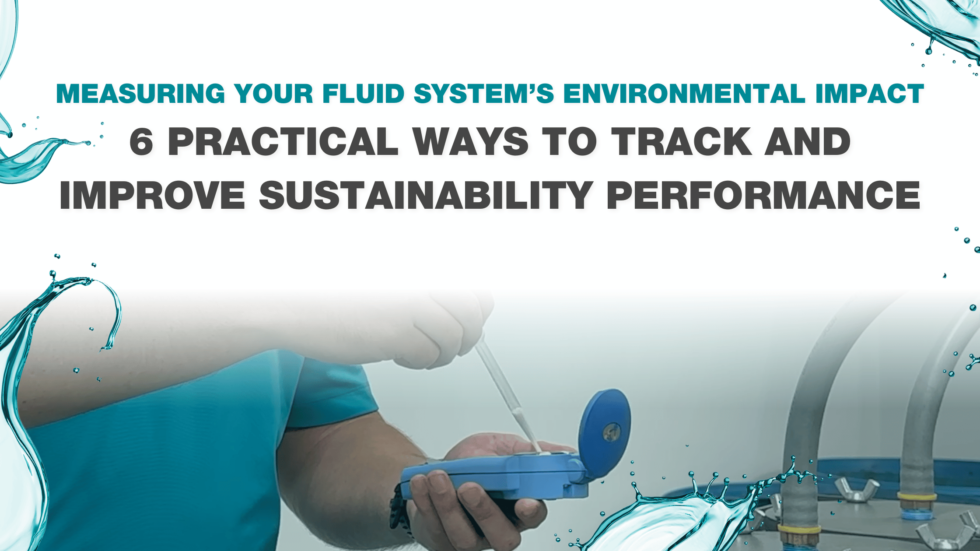
- Train teams on refractometer use.
- Keep routine logs to ensure the product performs as designed.
2. Strengthen Tramp Oil Management
- Use properly sized skimmers for each sump.
- Clean oil collection units consistently.
- Investigate upstream contamination sources like hydraulic leaks.
3. Improve Aeration and Circulation
- Avoid stagnant coolant that encourages anaerobic bacteria.
- Increase flow and reduce dead zones.
- Schedule routine agitation to extend fluid life.
4. Upgrade to Higher-Performance Fluid Technology
- Choose modern fluids engineered for:
- Longer sump life
- Higher lubricity
- Better corrosion protection
- Lower mist generation
- Match formulations to material mix and operating conditions for reduced consumption and stable performance.
5. Standardize Maintenance Workflows
- Apply consistent processes across shifts to reduce errors.
- Use standard work and visual controls to keep teams aligned on best practices.
6. Perform Regular Fluid Analysis
- Conduct lab analysis to detect contamination, chemistry drift, or additive depletion early.
- Intervene before failures occur to reduce waste and prevent emergency sump conversions.
Turning Sustainability Metrics Into Long-Term Value
When manufacturers track and act on sustainability metrics, they gain more than lower disposal costs or improved regulatory alignment. They build predictable processes that support growth and operational resilience. Through improved fluid stability and performance, shops reduce total cost of ownership, strengthen workforce satisfaction, and create a healthier work environment.
Master Fluid Solutions partners with manufacturers to design fluid programs that support measurable sustainability performance. With the right metrics in place, coolant systems become strategic assets that contribute to cleaner operations, leaner processes, and long-term cost savings.
If you would like support evaluating your fluid system or improving sustainability performance, Master Fluid Solutions can help you identify the highest value opportunities for your shop.