by Nichole Schalk-Tiell | Jun 1, 2026 | Blog
Most fluid problems that get traced back to a specific cause were actually set in motion weeks earlier, during a seasonal transition that nobody tracked. The jump from a cool spring to a warm summer warehouse, or the drop into cold-morning startups in late fall, creates predictable chemistry changes inside every sump on your floor. Those changes don’t announce themselves immediately. They compound quietly through concentration drift, pH instability, and microbial activity until the symptoms become hard to ignore: sour odors, corroded parts, shortened tool life, or an unplanned fluid dump.
Read More
by Nichole Schalk-Tiell | May 1, 2026 | Blog
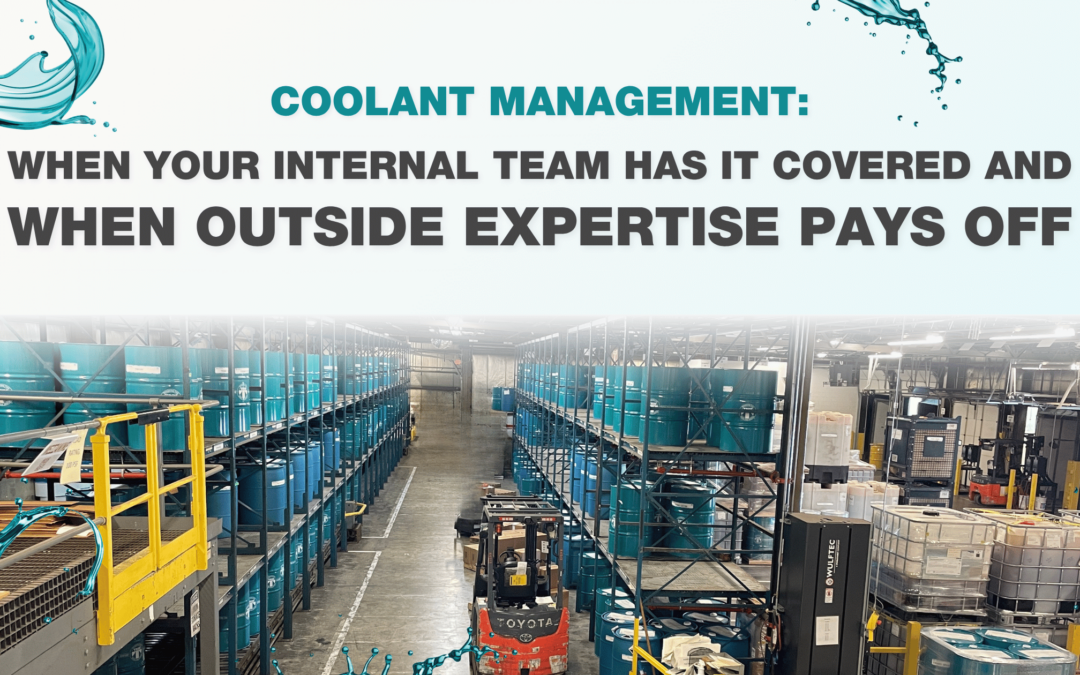
Most metalworking plants have someone responsible for the coolant. That person checks the refractometer a few times a week, tops off the sumps, maybe skims tramp oil when the smell gets bad. For a lot of shops, that passes as coolant management, and for a lot of routine conditions, it works well enough.
Read More
by Nichole Schalk-Tiell | Apr 1, 2026 | Blog
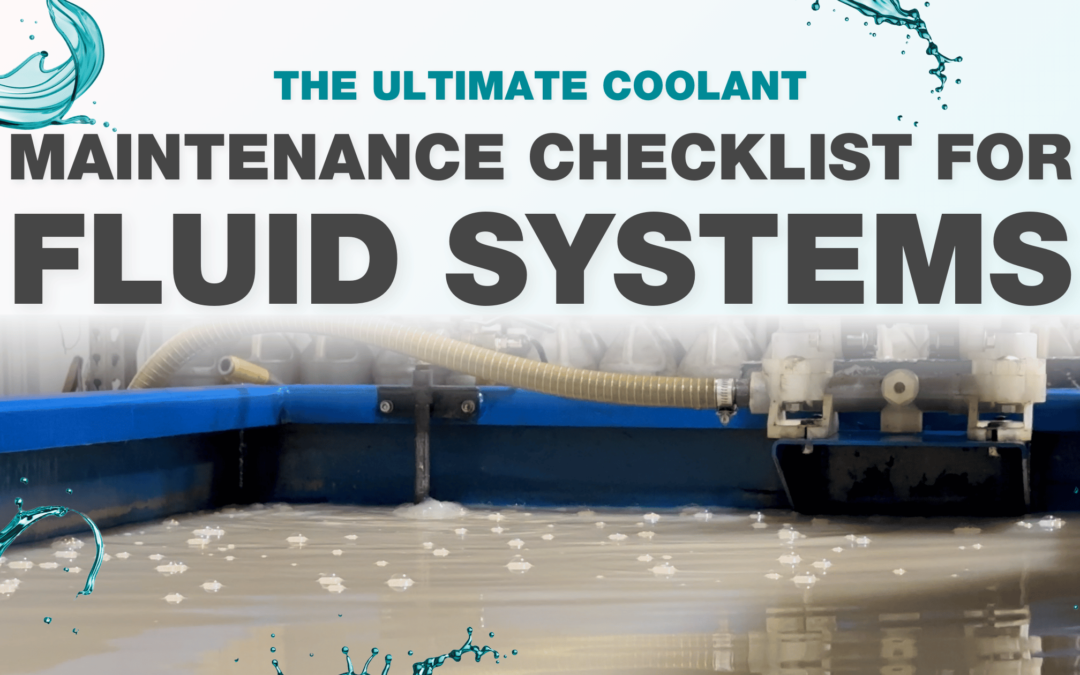
In most machining facilities, production equipment operates continuously while operators concentrate on cycle time, part quality, and keeping jobs moving through the schedule. Within that environment, coolant systems tend to receive far less direct attention even though they are circulating through every sump, pump, and cutting zone in the process.
Read More
by Nichole Schalk-Tiell | Mar 5, 2026 | Blog
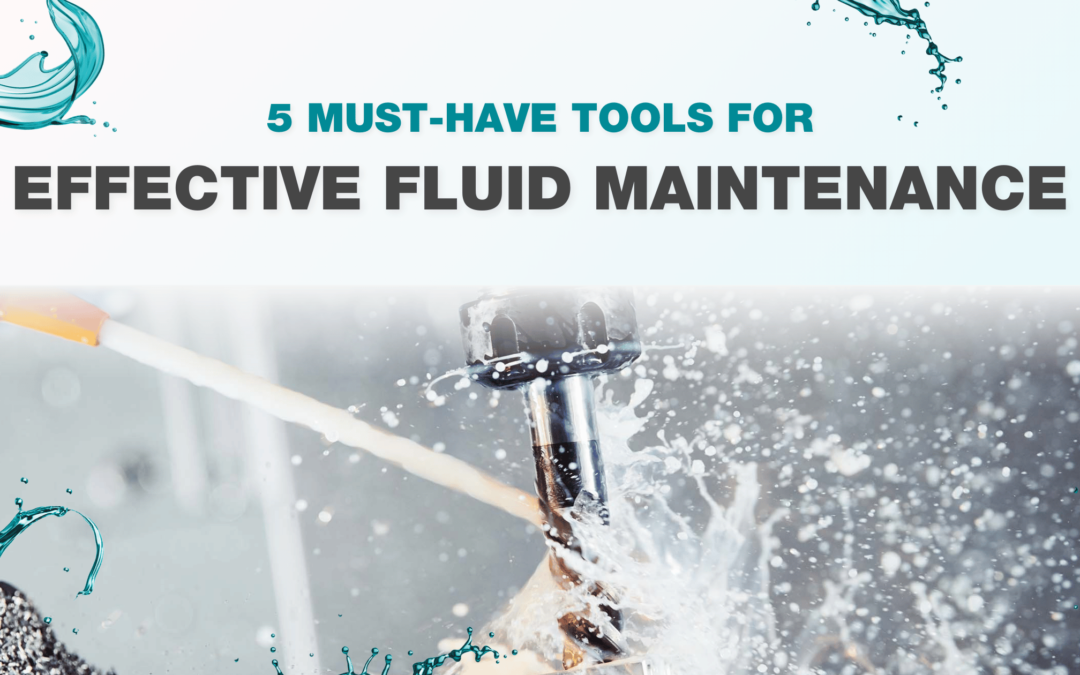
Walk into a shop where coolant maintenance has slipped, and you notice it immediately. The air is heavy with sour odors. Operators complain about headaches, irritated skin, and breathing discomfort. Machines are running, but morale is not. Those odors are not just unpleasant. They are a warning sign that bacteria, tramp oil, and fine metal solids have taken hold in the system.
Read More
by Nichole Schalk-Tiell | Feb 5, 2026 | Blog
Metalworking fluids are often treated as a background detail on the shop floor. As long as machines keep running and parts keep coming off the spindle, fluid health can feel like something that can wait.
Read More
by Nichole Schalk-Tiell | Dec 29, 2025 | Blog
As sustainability becomes a business necessity, manufacturers are being asked to quantify and improve the environmental footprint of every system in their plants. Metalworking fluids are rarely the first place teams look, yet they carry significant influence over water usage, waste generation, energy demand, operator health, and long-term operating cost.
Read More