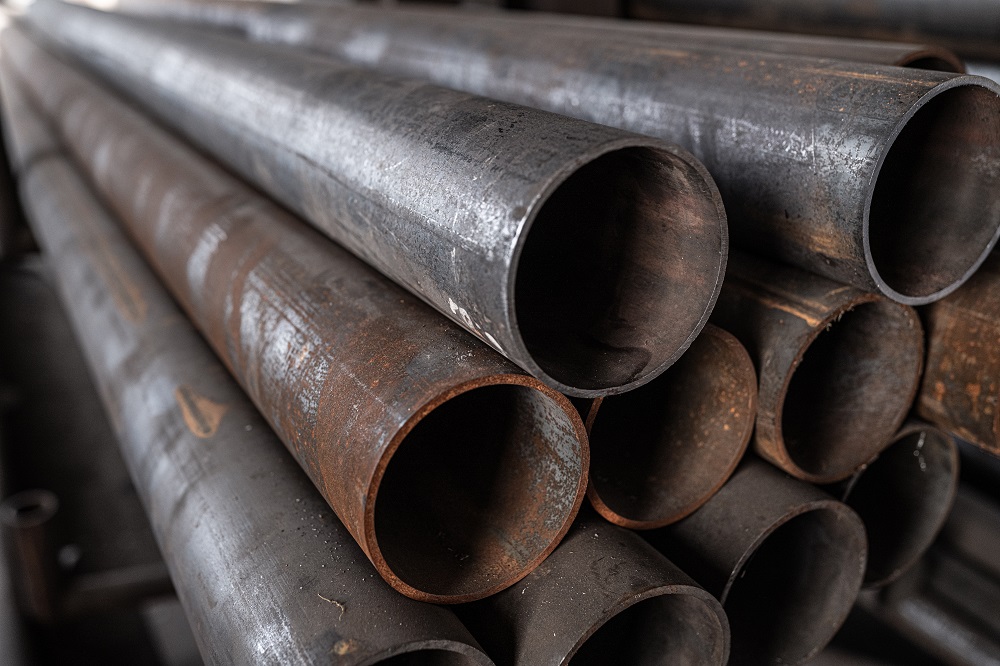
What to Look for in Next-Generation Corrosion Inhibitors
Next-generation corrosion inhibitors do more than prevent rust. Here’s what to look for in these critical-to-quality fluids.

Next-generation corrosion inhibitors do more than prevent rust. Here’s what to look for in these critical-to-quality fluids.
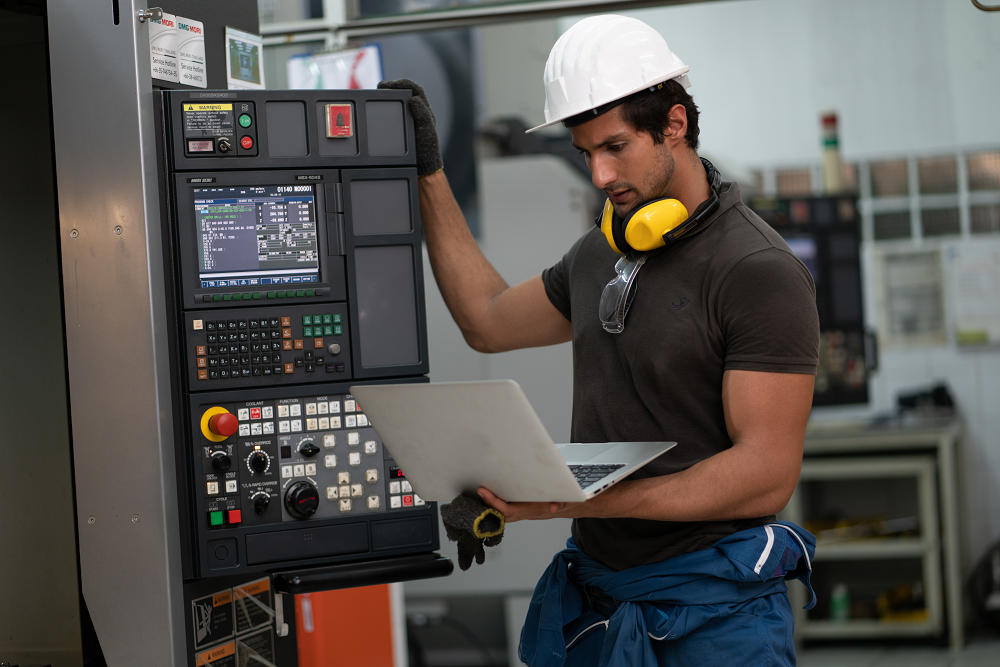
Looking for ways to improve machine lifespan in your metalworking operation? Here’s how to optimize performance and minimize downtime.
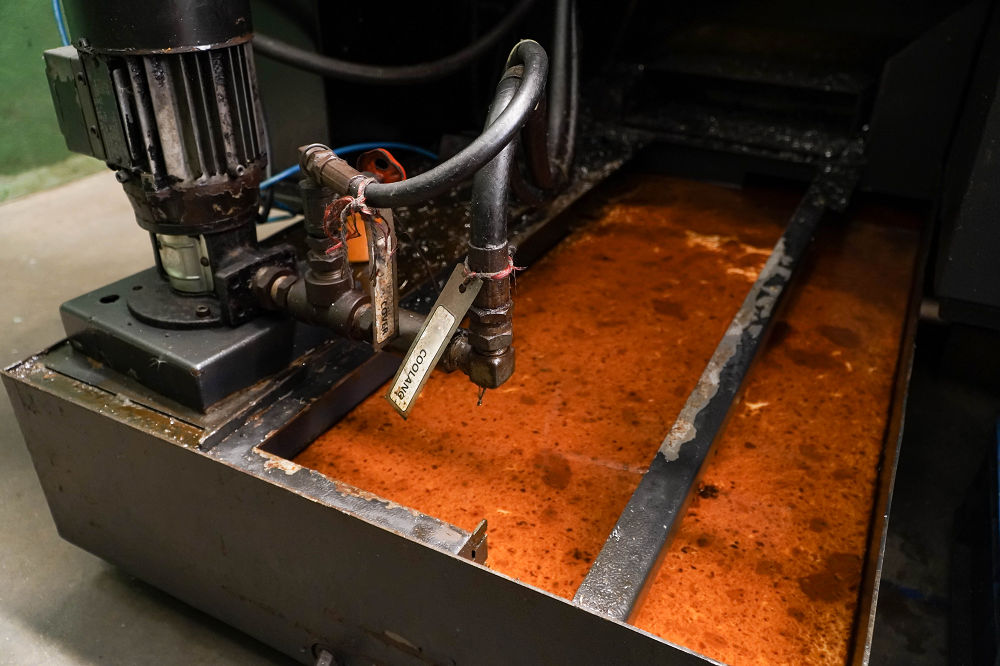
Unchecked bacteria growth in machine sumps does more than cause odor. Here’s how to protect your business goals from contamination.
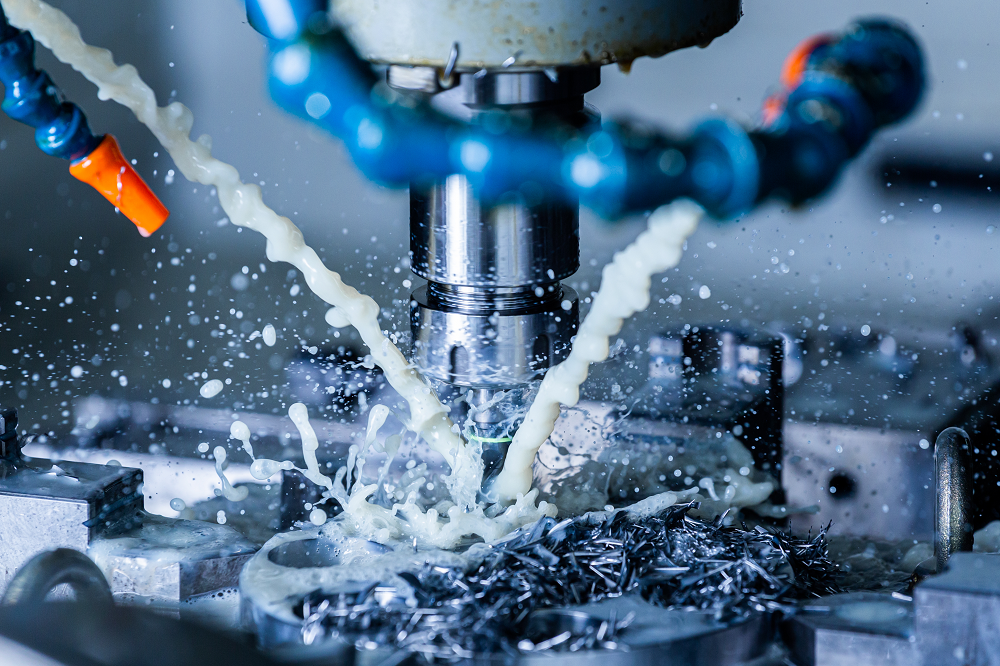
In today’s fast-paced manufacturing landscape, finding the right metalworking solutions is crucial. Here’s what you need to know.
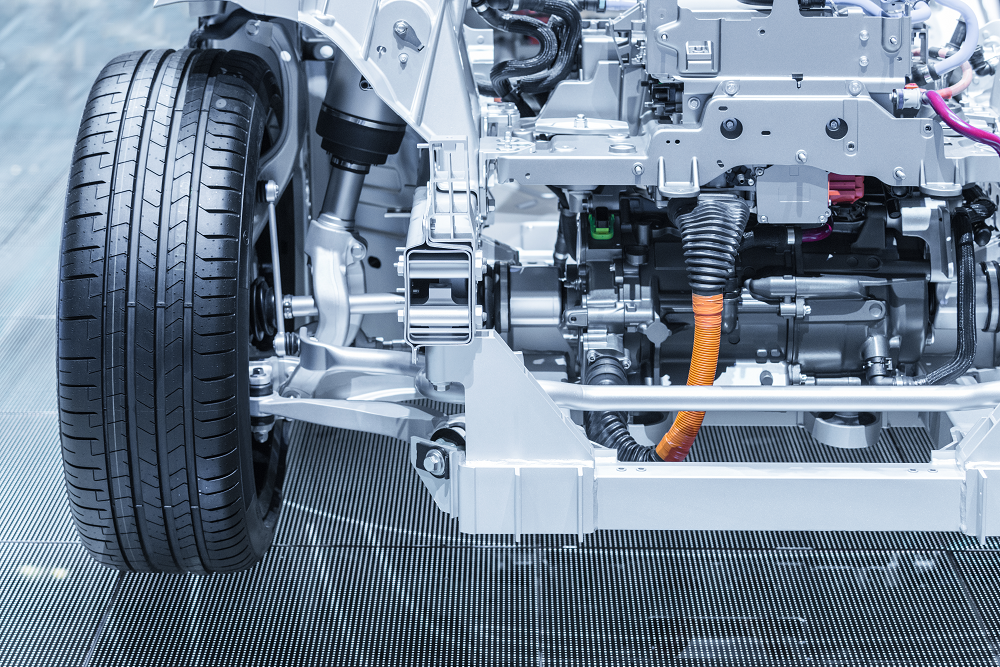
With EV production on the rise, manufacturers must adapt to meet demand. Learn more here on the changes you should make to succeed.