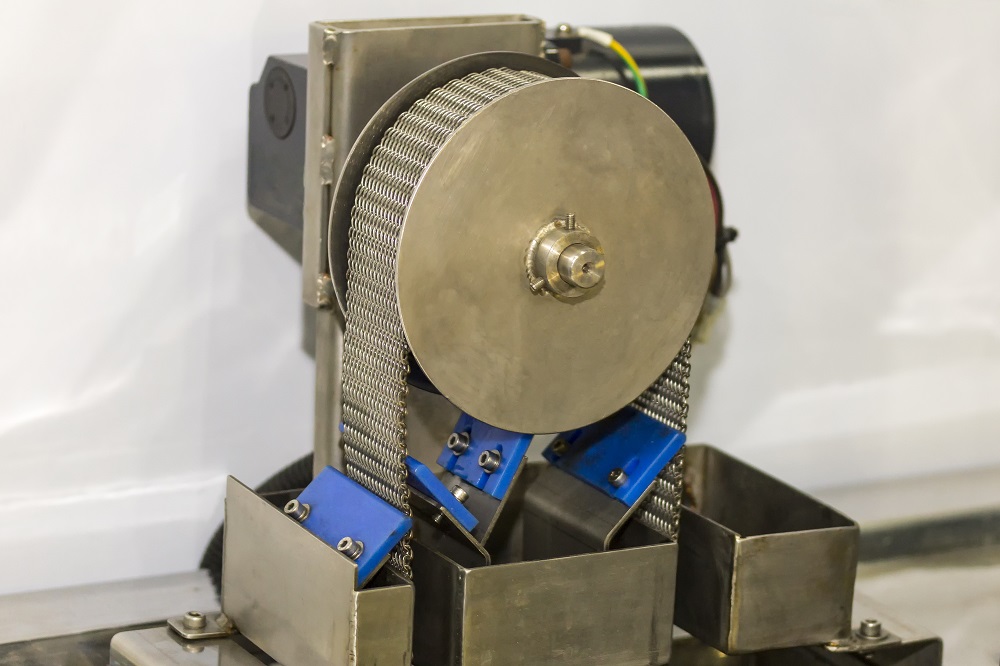
The Cutting Edge: Why Tramp Oil Removal Systems Increase Productivity and Protect the Bottom Line
Tramp oil is unavoidable in metalworking, but it doesn’t have to slow down an operation. Here’s how to remove it from cutting fluid.

Tramp oil is unavoidable in metalworking, but it doesn’t have to slow down an operation. Here’s how to remove it from cutting fluid.

Most metalworking plants have someone responsible for the coolant. That person checks the refractometer a few times a week, tops off the sumps, maybe skims tramp oil when the smell gets bad. For a lot of shops, that passes as coolant management, and for a lot of routine conditions, it works well enough.
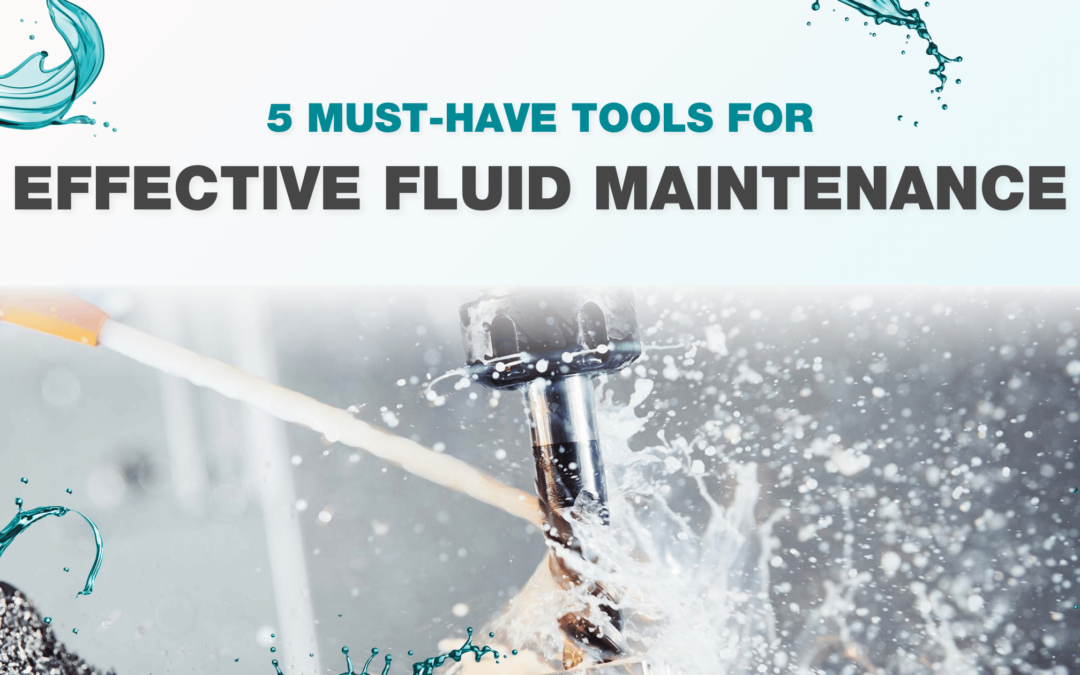
Walk into a shop where coolant maintenance has slipped, and you notice it immediately. The air is heavy with sour odors. Operators complain about headaches, irritated skin, and breathing discomfort. Machines are running, but morale is not. Those odors are not just unpleasant. They are a warning sign that bacteria, tramp oil, and fine metal solids have taken hold in the system.
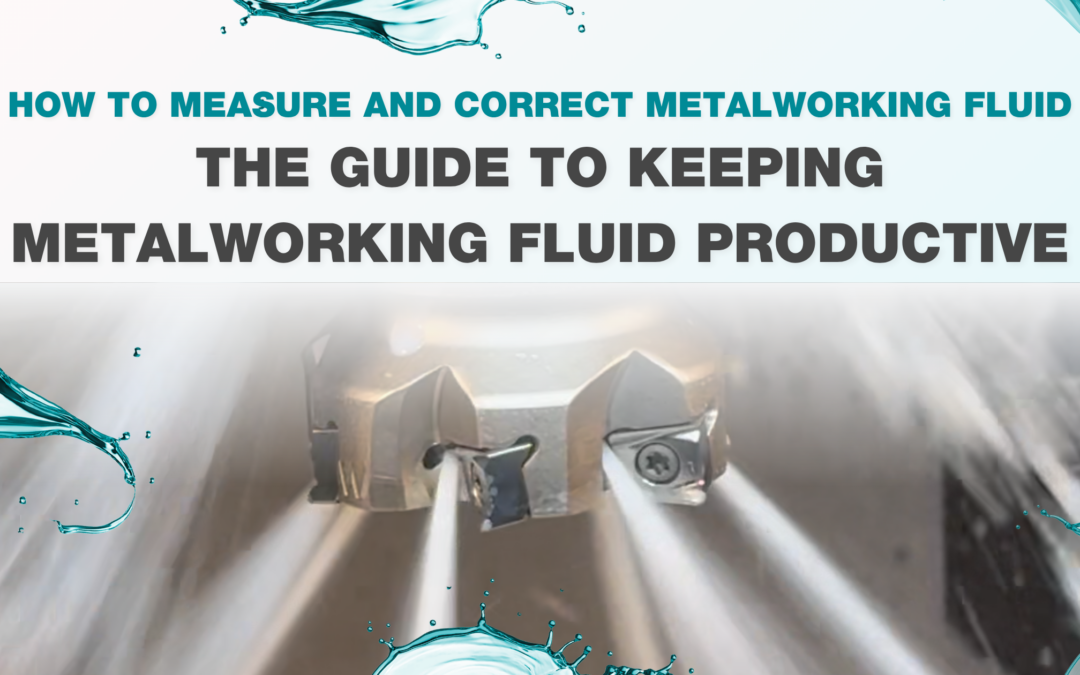
Coolant concentration is one of the easiest variables to let slide, because a sump running a few points off target doesn’t set off an alarm. It shows up weeks later as a shortened tool life report, a rust bloom on finished parts, or a technician wondering why the fluid smells sour three days after a sump change. By the time any of those symptoms appear, the cost has already been spent. That’s the case for treating concentration control as a daily habit rather than an occasional troubleshooting step, and it starts with understanding what a refractometer is actually telling you.
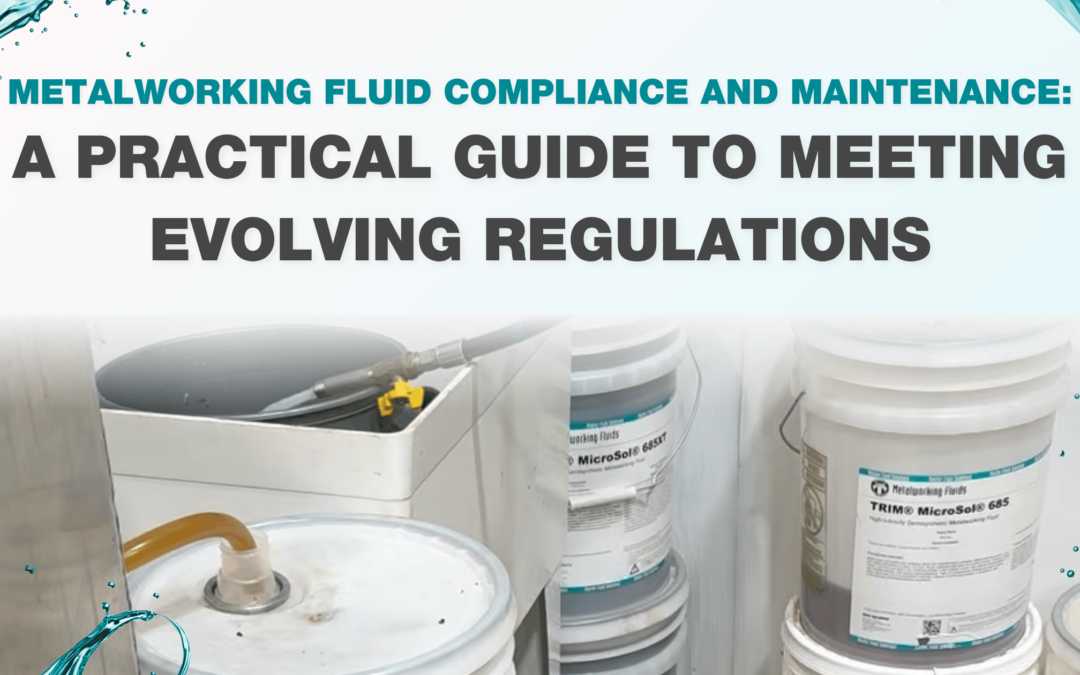
Every coolant sump in a machine shop is a small chemistry experiment that runs around the clock. It cools the cut, flushes the chips, protects the part from rust, and shares the air and the surfaces that your operators touch all day. That daily contact is the reason regulatory compliance and metalworking fluid maintenance are the same conversation. When a fluid is managed well, it protects the people running the machines, keeps the operation predictable, and keeps you clear of the agencies that write the rules. When it drifts, the problems show up on the shop floor and in the compliance file at the same time.